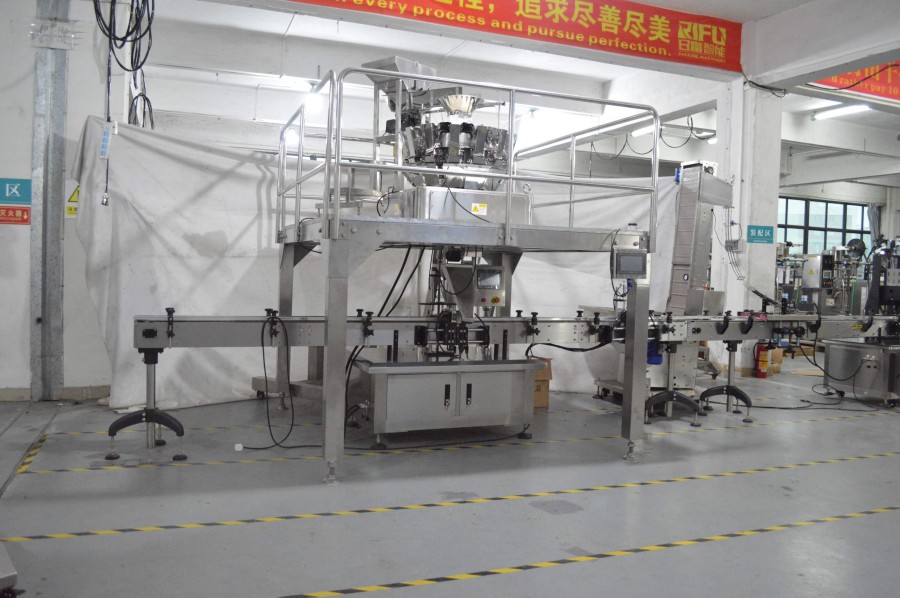
Eco-friendly trends are reshaping packaging machinery manufacturing through stricter regulations, lower energy targets, and changing customer requirements. By 2030, global packaging companies are expected to increase recyclable material usage significantly, while many factories aim to cut production emissions by 30–50%. Manufacturers of modern packaging equipment must improve energy efficiency, material compatibility, and automation performance to remain competitive in food, beverage, pharmaceutical, and consumer goods markets.
Packaging machinery manufacturers are facing new requirements as sustainability becomes part of equipment evaluation. In the past, companies mainly compared machines by speed, output capacity, and maintenance costs. Since 2018, many international brands have added environmental indicators such as energy consumption per package, material waste rate, and carbon emissions into supplier assessments.
A packaging machine running 6,000–8,000 hours annually can consume thousands of kilowatt-hours of electricity. Reducing energy usage by only 20% can create measurable savings for large production facilities. This has encouraged manufacturers to develop equipment with efficient motors, improved heating systems, and intelligent control technologies.
“Modern packaging equipment is expected to produce more units while using fewer resources during every production cycle.”
Energy-saving design has become one of the most requested features in new packaging machinery. Traditional systems often operate motors and pneumatic components continuously, even when full power is unnecessary. New-generation machines use servo motors, frequency converters, and automatic adjustment systems to match energy consumption with production demand.
Research from industrial automation applications shows servo-based systems can reduce electricity consumption by approximately 15–35% compared with older mechanical drive structures. When a production line operates for more than 10 years, these reductions can significantly influence operating expenses and environmental performance.
The improvement of energy efficiency also affects the development of automatic packaging machines. These machines increasingly integrate sensors, software control, and automated inspection systems to maintain stable production while reducing unnecessary material usage.
Packaging material innovation has created another challenge for machinery manufacturers. Companies are moving toward recyclable films, paper-based packaging, compostable materials, and mono-material structures. However, these materials often have different sealing temperatures, flexibility levels, and mechanical properties compared with traditional plastics.
To support this transition, machinery suppliers are designing equipment with wider material compatibility. Adjustable sealing systems, intelligent temperature control, and automated parameter settings allow factories to switch between different packaging materials without replacing complete production lines.
| Technology improvement | Typical impact |
|---|---|
| Servo motor systems | 15–35% lower energy consumption |
| Vision inspection | 30–50% reduction in packaging defects in suitable applications |
| Automated parameter adjustment | Faster material changeover and improved stability |
| Predictive maintenance systems | Reduced unexpected equipment downtime |
Material efficiency is becoming another measurement area for packaging equipment performance. Even small losses during filling, cutting, or sealing can create large amounts of waste when production reaches millions of packages per year.
For example, a factory producing 50 million packages annually can waste hundreds of thousands of units if the defect rate increases by only 1%. Automated weighing systems, camera inspection, and precision feeding technologies help manufacturers maintain consistent quality and reduce discarded materials.
These improvements are also connected with digital manufacturing. Since 2020, more packaging companies have introduced Industrial Internet of Things (IIoT) technologies to collect machine data and improve production management. Sensors can record temperature, pressure, vibration, and operating speed, allowing operators to adjust equipment before efficiency declines.
Smart monitoring systems can also extend machine service life. A packaging line that operates for 8–10 years requires regular maintenance planning because component wear affects energy use and product quality. Data-based maintenance programs help companies replace parts at appropriate intervals instead of depending only on fixed schedules.
Environmental regulations have accelerated these equipment upgrades across global markets. The European Union has introduced stricter packaging waste requirements, while many countries have announced carbon reduction targets for 2030 and 2050. These policies influence how food, beverage, pharmaceutical, and consumer goods companies select production equipment.
Packaging machinery manufacturers must therefore provide solutions that help customers meet environmental standards. Equipment that supports recyclable materials, reduces electricity consumption, and improves production accuracy is becoming more attractive for international buyers.
“Sustainability requirements are changing packaging equipment from a production tool into a long-term manufacturing system.”
Consumer expectations are also affecting packaging technology development. Surveys published after 2021 show that more than 60% of consumers consider environmental information when choosing packaged products. Younger consumers especially pay attention to recyclable packaging, reduced material usage, and responsible production methods.
Brand owners respond to these preferences by requesting packaging solutions that combine appearance, protection, and environmental performance. Machinery manufacturers need to support these goals through flexible equipment capable of handling new packaging designs.
Automation technology provides additional opportunities for sustainable production. Artificial intelligence, machine vision, and software-based control systems allow equipment to adjust production parameters automatically. This reduces material errors and improves consistency during long production periods.
A packaging line equipped with advanced monitoring can analyze thousands of production points every hour. For manufacturers producing millions of packages monthly, even a small improvement in accuracy can reduce waste and improve resource efficiency.
The economic side of sustainable machinery development is also important. Although advanced equipment may require higher investment at the beginning, lower electricity consumption, reduced material waste, and fewer maintenance requirements can improve long-term operating performance.
A machine that reduces energy use by 25% and lowers material waste by 3% can create substantial savings during a service period of 8 years or longer. Many companies now evaluate equipment based on total operating costs rather than only purchase prices.
Future packaging machinery development will continue to combine environmental design with automation technology. Manufacturers are investing in lightweight machine structures, energy-saving components, digital monitoring platforms, and flexible production systems to meet changing market needs.
By 2030, packaging equipment suppliers will increasingly compete through measurable environmental performance, including energy consumption, material efficiency, and compatibility with sustainable packaging formats. Companies that continue improving these areas will be better prepared for the changing expectations of global industries.