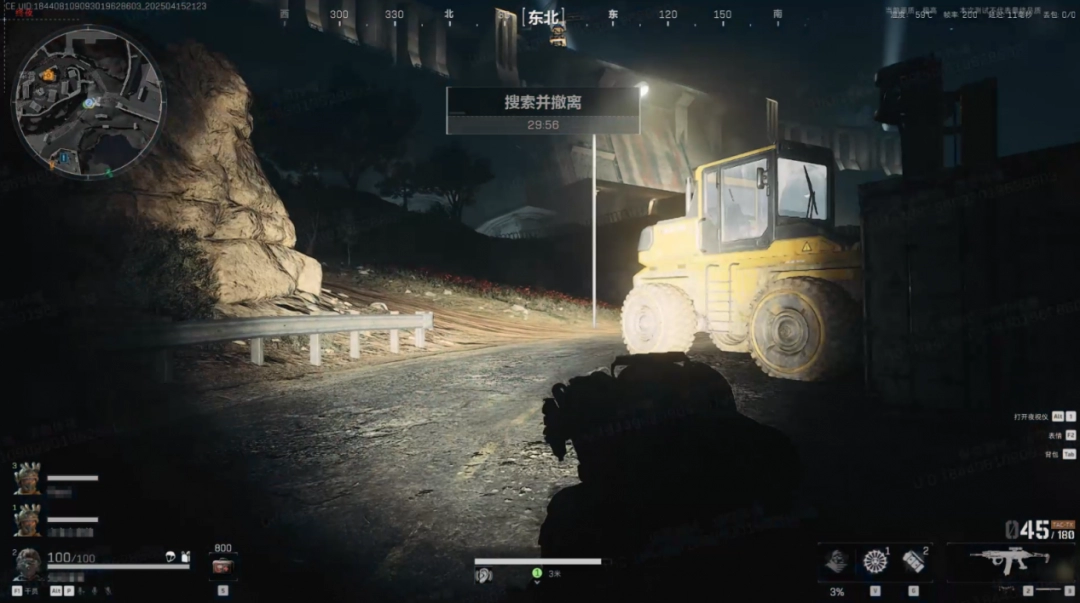
In this article, we explore the intricacies of night extraction missions, one of the most challenging tactical operations in modern combat simulations. Night extractions require a unique blend of stealth, coordination, and situational awareness that tests even veteran operators. Our analysis focuses on the critical elements that determine mission success when visibility is compromised and detection risks are heightened.
The primary objective of a night extraction typically involves locating and securing high-value assets or personnel before safely withdrawing from hostile territory. We have identified that successful teams approach these missions with methodical planning rather than reactive responses to enemy contact.
Environmental Challenges
Darkness fundamentally alters the tactical landscape, creating both advantages and obstacles for extraction teams. We've observed that the reduced visibility affects not only target identification but also team communication and movement coordination. The psychological impact of operating in low-light conditions cannot be underestimated, as it introduces additional stress factors that can compromise decision-making.
Weather conditions further complicate night operations, with rain, fog, or snow dramatically affecting both electronic and visual reconnaissance capabilities. Our assessment indicates that teams must develop contingency protocols specifically addressing these environmental variables to maintain operational effectiveness.
Equipment Considerations
The technological requirements for night extraction missions demand careful consideration. We emphasize that night vision devices (NVDs), thermal imaging systems, and silent communication equipment form the essential foundation of any extraction loadout. The selection between various generations of night vision technology presents important tradeoffs between weight, battery life, and visual clarity that must be evaluated against mission parameters.
Equipment redundancy becomes particularly crucial during night operations. Our analysis shows that successful teams always incorporate backup systems for critical gear, recognizing that equipment failure in darkness can rapidly escalate into mission compromise.
Tactical Approach
The engagement protocols for night extractions differ significantly from daylight operations. We've determined that maintaining stealth typically takes precedence over speed, with teams adopting deliberate movement patterns that minimize noise and visual signatures. The "slow is smooth, smooth is fast" principle becomes especially relevant when navigating complex terrain with limited visibility.
Position identification and team tracking present unique challenges in darkness. Our research indicates that successful extraction teams implement robust friend-or-foe identification systems and maintain strict communication discipline to prevent disorientation and friendly fire incidents.
Extraction Points and Timing
The selection of extraction zones requires careful analysis of multiple factors including terrain features, enemy patrol patterns, and available cover. We've found that effective teams typically identify multiple potential extraction points rather than relying on a single location, allowing for tactical flexibility if primary routes become compromised.
Timing considerations become more complex during night operations, with teams needing to balance the cover of darkness against fatigue factors that increase with extended night operations. Our assessment suggests that the optimal extraction window often occurs during the transitional periods of early evening or pre-dawn, when human vigilance naturally decreases.
Tactical Gameplay Analysis
Decision-Making Under Pressure
Building upon our examination of night extraction mission parameters, we now delve into the tactical gameplay elements that determine operational success. The cognitive demands of night operations create a unique decision-making environment where clarity of objectives becomes paramount. Our analysis reveals that successful operators maintain constant mental rehearsal of mission parameters even as situations evolve, preventing mission drift during high-stress engagements.
The tactical gameplay loop during night extractions follows a distinct pattern of position identification, threat assessment, engagement decision, and movement coordination. We have observed that elite teams develop standardized response protocols for common scenarios, allowing for rapid adaptation without requiring extensive communication that might compromise their position.
Spatial Awareness and Navigation
Navigation during limited visibility operations represents one of the most challenging aspects of night extraction gameplay. Our research indicates that effective operators develop an enhanced spatial memory that allows them to maintain orientation even when visual landmarks are obscured. This skill is cultivated through deliberate practice and simulation training focused specifically on night movement.
The tactical use of terrain features becomes significantly more nuanced during night operations. We have identified that successful teams leverage natural contours and vegetation patterns not merely as concealment but as navigational aids, creating mental "handrails" that guide movement without requiring constant reference to illuminated devices that might reveal their position.
Engagement Protocols and Fire Discipline
The decision to engage hostile elements during night extractions follows a distinctly different calculus than daylight operations. Our analysis demonstrates that successful teams establish clear rules of engagement that prioritize mission completion over target elimination. The discipline to bypass rather than engage non-critical threats often determines mission success, particularly when operating with limited ammunition and support.
Fire discipline takes on heightened importance in low-light conditions. We have documented numerous cases where muzzle flash discipline and controlled burst patterns made the critical difference between maintaining stealth and triggering full-scale enemy response. The psychological restraint required to maintain fire discipline under stress represents one of the most challenging aspects of night extraction gameplay.
Team Communication Systems
The communication architecture employed during night operations requires a delicate balance between information sharing and emission security. Our examination of successful extraction operations reveals that teams develop layered communication protocols that minimize electronic and audible signatures while maintaining tactical cohesion. These typically include:
Non-verbal signals using physical contact
Infrared marking devices visible only through night vision equipment
Microphone-activated communication with specific transmission protocols
Emergency fallback signals for contingency situations
The efficiency of these communication systems directly correlates with team familiarity and pre-mission rehearsal quality. We have determined that teams with established communication shorthand demonstrate superior coordination in time-sensitive extraction scenarios.
Adaptive Response to Detection
Despite optimal preparation, detection by hostile forces remains a persistent risk during night extractions. Our tactical analysis indicates that the most successful teams develop tiered response protocols that scale according to the level of compromise. The initial moments following detection often determine whether the situation can be contained or will escalate to a full engagement.
The psychological component of maintaining composure after detection cannot be overstated. We have observed that teams trained to view detection as a manageable contingency rather than mission failure demonstrate superior recovery capabilities, often successfully completing extractions despite initial compromise.
Resource Management and Endurance Factors
The extended duration of night extraction operations introduces critical resource management considerations. Our analysis shows that successful operators develop precise mental accounting of ammunition, battery power for critical devices, and physical endurance. The tactical gameplay loop incorporates regular resource assessment checkpoints that inform subsequent decision-making.
Fatigue management emerges as a decisive factor in prolonged night operations. We have identified that elite teams implement micro-rest protocols and stimulant usage strategies that maintain cognitive acuity throughout the extraction timeline. The ability to recognize and mitigate performance degradation due to fatigue represents an often-overlooked tactical skill that separates successful extractions from compromised operations.
Top-Up Your Delta Force coins at LootBar.gg
Looking to dominate the battlefield in Delta Force? Topping up your Delta Force coins through LootBar.gg is the smartest move you can make for your gaming experience. This trusted platform offers lightning-fast delivery of in-game currency, allowing you to immediately access premium weapons, character upgrades, and exclusive content that gives you the competitive edge against other players.
Beyond just speed, the Delta Force top upprocess on LootBar.gg is incredibly user-friendly. Their streamlined interface requires minimal steps to complete your purchase, accepting various payment methods to accommodate players worldwide. Whether you're a casual gamer or a serious competitor, the platform's 24/7 customer support ensures any questions or concerns about your transaction are promptly addressed.
Perhaps most importantly, LootBar.gg distinguishes itself through unbeatable pricing for Delta Force currency. Regular promotions and loyalty bonuses mean you'll consistently get more coins for your money compared to official channels or other third-party sites. With LootBar's commitment to security and value, you can focus on what really matters – dominating the battlefield with your newly acquired premium items and abilities that only Delta Force top up can provide.
 The primary objective of a night extraction typically involves locating and securing high-value assets or personnel before safely withdrawing from hostile territory. We have identified that successful teams approach these missions with methodical planning rather than reactive responses to enemy contact.
 The tactical gameplay loop during night extractions follows a distinct pattern of position identification, threat assessment, engagement decision, and movement coordination. We have observed that elite teams develop standardized response protocols for common scenarios, allowing for rapid adaptation without requiring extensive communication that might compromise their position.